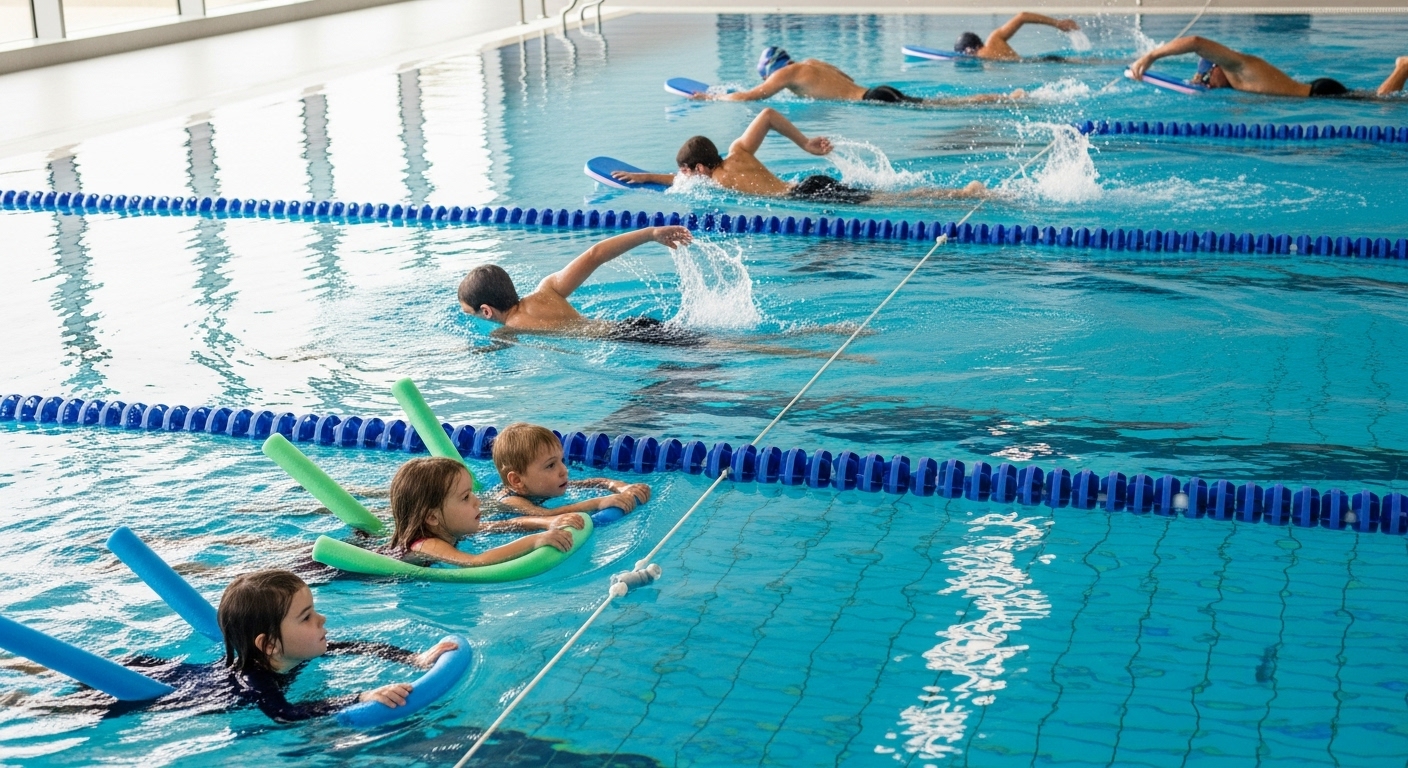
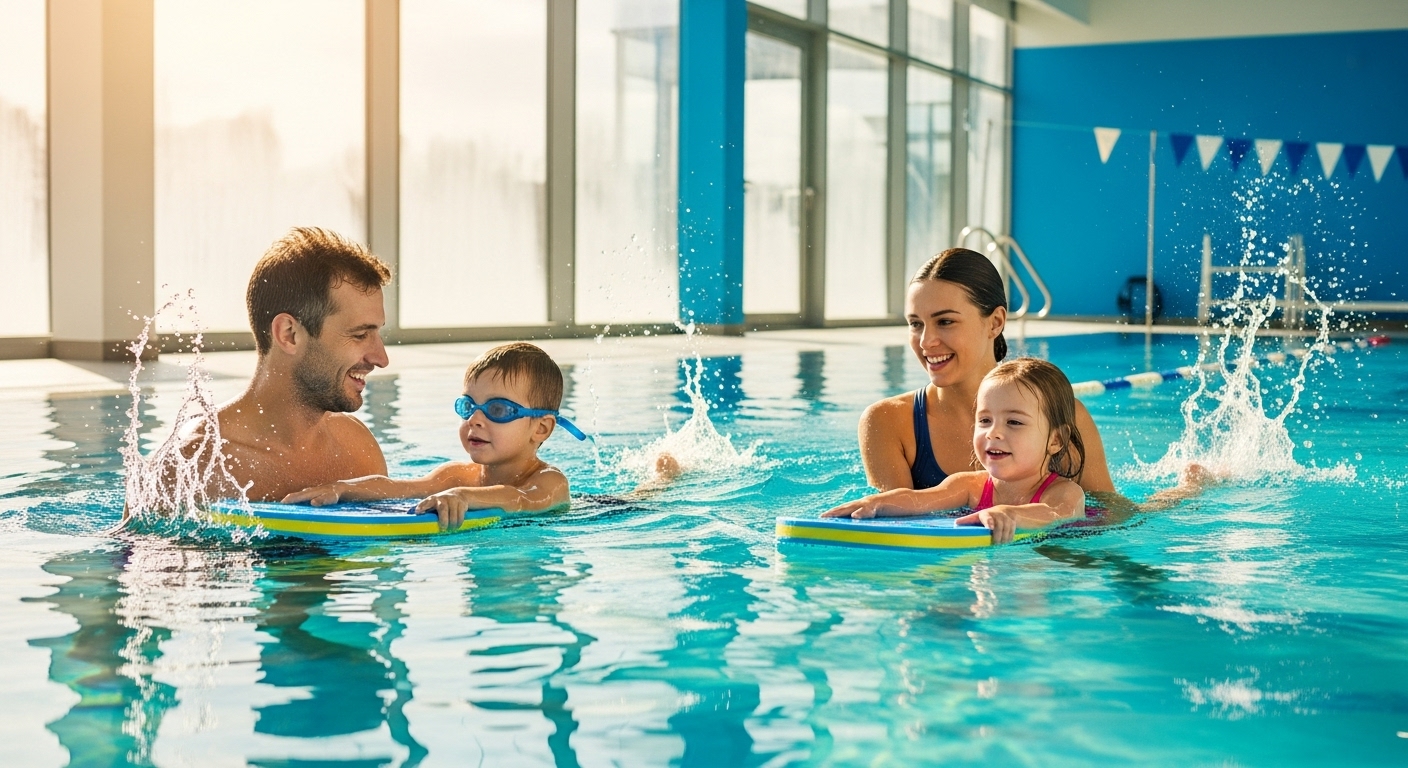
Drowning deaths are rising worldwide as fewer people learn to swim. Discover the causes, risks, and how Learn Swimming is helping rebuild vital water skills.
A Wake-Up Call for Water Safety
Recent reports show drowning rates are climbing alarmingly worldwide. In Australia alone, 2025 marked the highest drowning death toll in three decades, with many victims being children, teens, or older adults. Similar trends are emerging globally—including in South Asia—highlighting a worrying truth: swimming skills are declining.
For something as fundamental as water safety, how did we get here?
Why Are Swimming Skills Declining?
1. Reduced Access to Lessons
Swimming lessons are becoming harder to access due to high pool fees, fewer instructors, and limited community facilities. When learning to swim is expensive, many families skip it.
2. COVID-19 Gaps
Pandemic-era lockdowns disrupted children’s access to physical education and swimming lessons. Those “lost years” created a gap—today’s pre-teens and teens often lack basic skills.
3. Digital Lifestyle Shift
More screen time, less pool time. Children spend hours indoors on devices, with less exposure to natural play in water environments.
4. False Sense of Security
Parents sometimes assume floaties, life jackets, or occasional summer swims are “enough.” But drowning often happens suddenly—in shallow, familiar water. True swimming skills save lives, not flotation toys.
5. Generational Decline
Adults who never learned to swim are less likely to teach their children, creating a cycle of inexperience.
Why It Matters
Drowning isn’t just a number—it’s the third leading cause of unintentional injury death worldwide. Beyond fatalities, many survivors face long-term health issues from near-drowning incidents, including brain injury.
Without proactive action, we risk raising a generation less confident and less safe around water.
How Learn Swimming is Addressing the Crisis
At Learn Swimming, we’re committed to rebuilding water confidence and safety through:
Affordable Classes: Structured programs for kids and adults, from beginners to advanced.
Coach Certification: Training professional instructors who can spread skills in schools and communities.
Aqua Fitness & Therapy: Engaging adults and seniors in water activities that also reinforce safety.
Awareness Campaigns: Using our platform to remind parents, schools, and policymakers that swimming isn’t a luxury—it’s a life skill.
What You Can Do Today
Start early: Enroll children as young as 3–4 in structured lessons.
Lead by example: If you’re an adult who never learned, it’s never too late. Your journey can inspire your family.
Stay consistent: Like any skill, swimming requires practice. One summer course isn’t enough.
Promote certification: Encourage schools and clubs to hire certified coaches, not just swimmers who “teach.”
Final Word
The drowning crisis is real, but preventable. By making swimming education accessible, consistent, and professional, we can reverse the trend.
💧 At Learn Swimming, we believe in creating a safer, healthier future—one confident swimmer at a time.
👉 Explore programs at learnswimmingcoach.com or scan our QR code on Instagram to start today.
Author
Dr. Mudasar Iqbal, PhD (Sports Training & Coaching)
ASCA Level-4 | FINA Artistic Swimming Certified
Exercise Science – University of Colorado, USA
Sports Nutrition – Wageningen University, Netherlands
Founder – Learn Swimming