🌊 Floods: A Global Survival Challenge
Floods are one of the most common and devastating natural disasters worldwide. Rising waters can submerge cities, cut off escape routes, and trap people in life-threatening conditions. While rescue teams and safety protocols are essential, your personal ability to swim may be the difference between survival and tragedy.
🚨 Why swimming is Crucial During Floods
-
Immediate escape
In a flash flood, currents are strong and unpredictable. People who can swim have a better chance of reaching higher ground or stable objects before being swept away.
-
Endurance in water
Flood situations may require floating, treading water, or swimming long distances. Without these skills, exhaustion sets in quickly—leading to panicking and drowning.
-
Rescue capability
Strong swimmers can assist children, elders, or those struggling in the water until professional rescue arrives—turning survivors into lifesavers.
-
Confidence under pressure
Knowing how to swim reduces panic. Calm, trained responses make survival strategies—like floating on your back or moving with the current—much more effective.
🏊 Why So Many Struggle with Floods
Despite living in water-prone regions, millions worldwide never learn to swim. Reasons include:
Limited access to swimming pools and coaches
High costs of lessons
Fear of water or past negative experiences
A belief that floods are “rare” (when in fact, climate change is making them more frequent).
✅ How to Prepare for Yourself and Your Family:
-
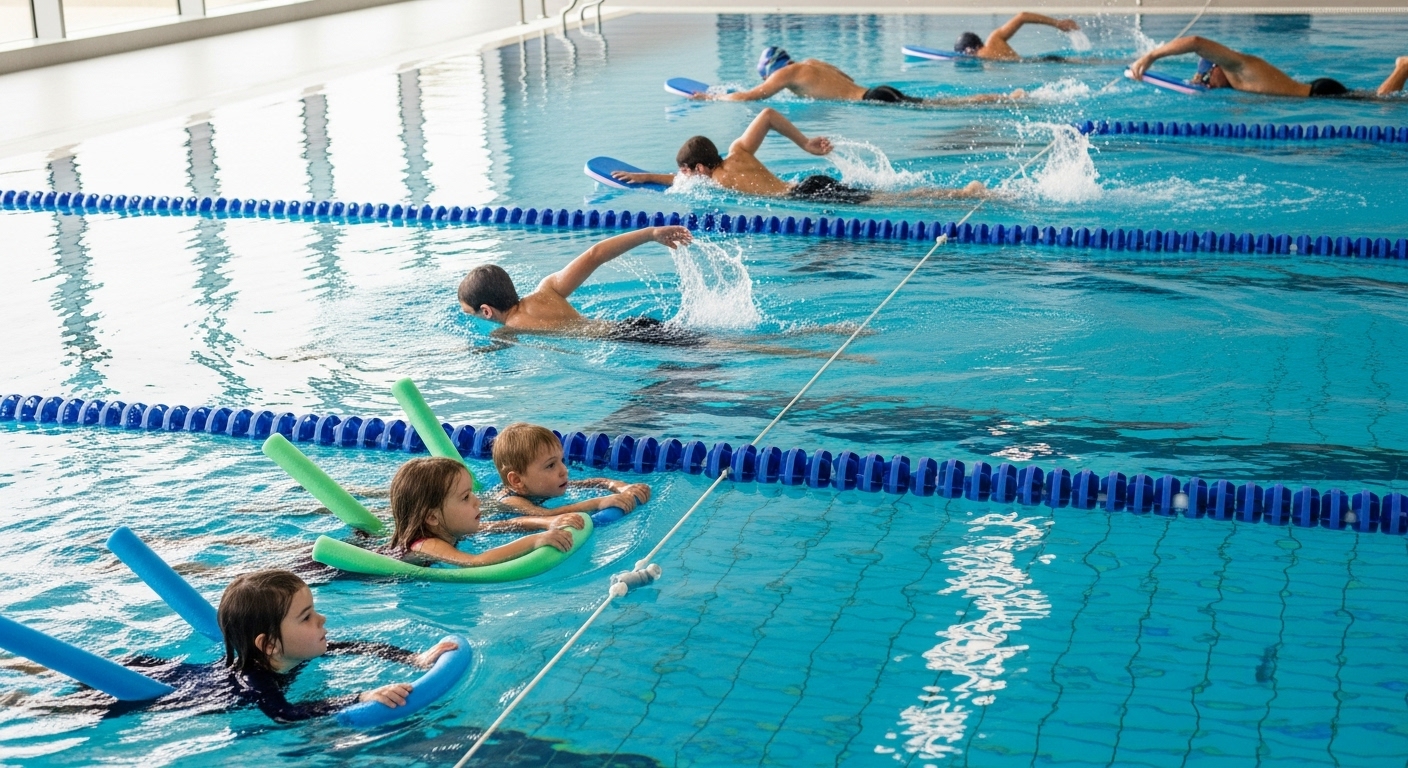
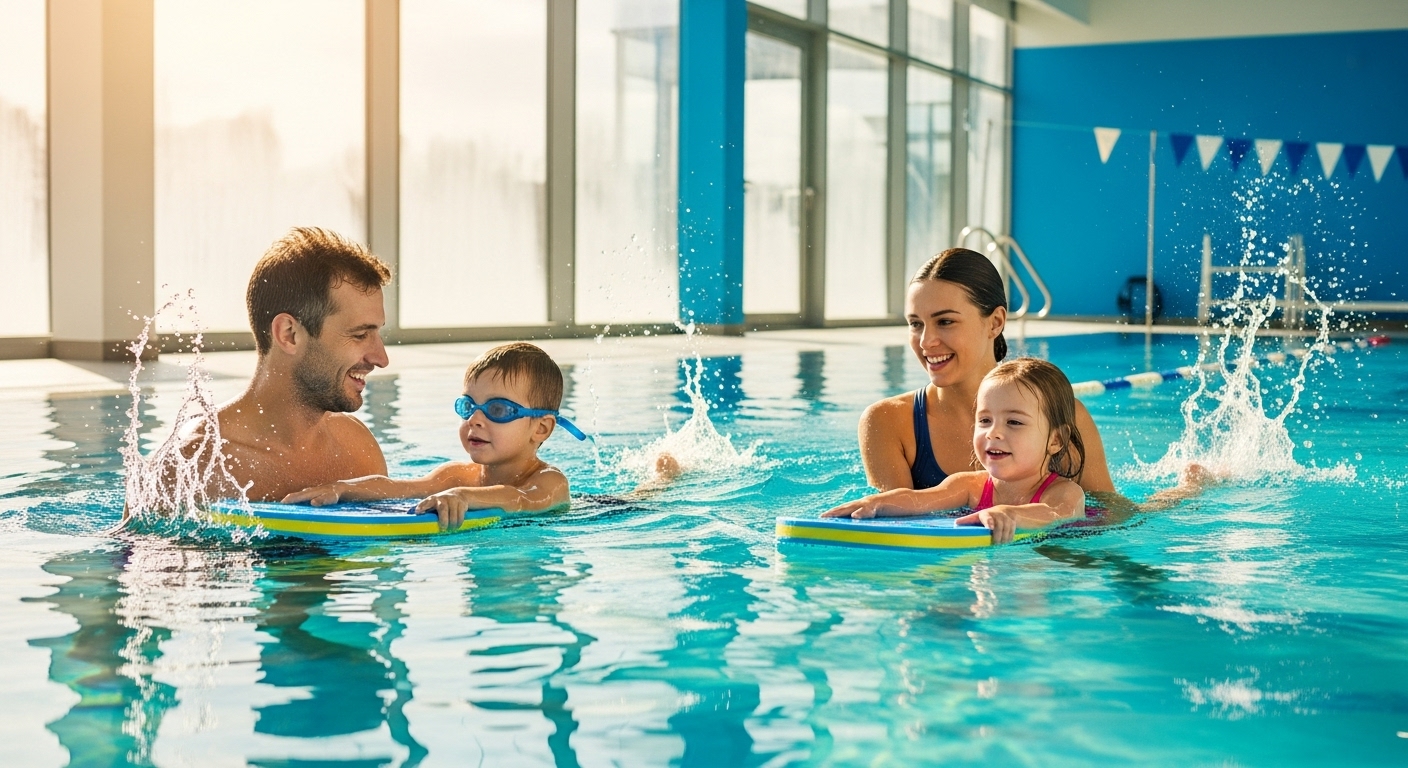
Learn Swimming Early Children can begin formal lessons as early as age 3–4. Starting young builds lifelong confidence.
-
Adult lessons are Critical Too It’s never too late. Many adults avoid water their whole lives-until the floods leave them vulnerable.
-
Training Beyond the Basics Don’t just stop at “floating.” Learn survival strokes like breaststroke and backstroke, which conserve energy.
-
Include family & community. Encourage group lessons. Families that learn together build mutual safety nets in emergency.
🌐 How Learning Swimming Helps in Flood Preparedness
At Learn to Swim, we combine scientific training with practical survival techniques:
Structured Lessons: Programs for kids and adults at all levels.
Flood-Safety Modules: Focus on floating, endurance, and calm water exits.
Coach Certification: Training professionals who spread lifesaving water education.
Community Outreach: Building awareness that swimming is not a luxury-it’s survival.
📌 Final Word
Floods may be unpredictable, but your response doesn’t have to be. Swimming is more than a sport—it’s a survival skill. By learning today, you’re not just preparing for recreation—you’re preparing for life.
👉 Start your journey now at www.learnswimmingcoach.com or scan our QR code on Instagram @learn_swimmingg.
About the author.
Dr. Mudasar Iqbal, PhD (Sports Training & Coaching) ASCA Level-4 | FINA Artistic Swimming Certified Exercise Science – University of Colorado, USA Sports Nutrition – Wageningen University, the Netherlands Founder – Learn Swimming